People search for remedies for sensitive skin more than almost any other skin question, and most of what they find is a list of kitchen ingredients. That is the wrong starting point. Sensitive skin is skin whose protective barrier lets too much in and reacts to it, so the remedy is mostly about taking things away: fewer products, gentler water, no raw ingredients. This guide covers what helps, what makes things worse, and a short routine to start with.
What sensitive skin is
Sensitive skin stings, burns, flushes or itches in response to things other skin ignores: a new cream, cold wind, hot water, a fragrance. It is not a diagnosis in itself; it describes a barrier that is thinner or more disturbed than average. That can be inherited, caused by over-exfoliating or over-washing, or a symptom of conditions such as rosacea, eczema or contact allergy. The distinction matters, because the first group responds to simpler care and the second needs a doctor.
The habits that help most
- Lukewarm water. Hot water strips the oils that hold the barrier together. This single change helps more people than any product.
- Pat, do not rub. A soft towel pressed against the face, not dragged across it.
- Fewer products. A cleanser, a moisturiser and a sunscreen are a full routine for sensitive skin. Add anything else one at a time.
- Sunscreen every morning. Sun is the most common trigger for flushing and the slowest to show its damage. A mineral sunscreen with titanium dioxide or zinc oxide is usually the better-tolerated kind; the sunscreen collection lists which filters each product uses.
- Patch-test. Apply a small amount of any new product to the inner forearm and wait 24 to 48 hours. If there is no redness, itch or sting, it is unlikely to react on the face.
Home remedies to skip
Several popular kitchen remedies are among the most common causes of irritation dermatologists see:
- Lemon juice. Acidic, and it makes skin react to sunlight. It causes burns and dark marks on a surprising number of faces.
- Baking soda. Strongly alkaline; it disrupts the barrier within one use.
- Toothpaste on spots, raw garlic, apple cider vinegar. All irritants.
- Scrubs made with sugar, salt or coffee. Jagged particles on skin that is already compromised.
Gentler traditional ingredients such as aloe vera, rose water, oats and honey are better tolerated, but even these should be patch-tested, and raw aloe from the plant can irritate where a formulated gel does not.
What to leave out until the skin settles
Exfoliating acids, retinol, vitamin C at high strengths, physical scrubs, strong fragrances and essential oils are the usual triggers. None of them is bad in itself; they are simply too much for a barrier that is already struggling. Leave them out for a few weeks, let the skin calm, then reintroduce one at a time if you want them.
A routine to start with
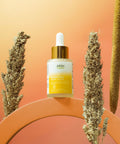
Arish's Pearl range was built as a gentle routine from cleanser to weekly pack, and the sensitivity collection lists every ingredient on each product page so you can check them against anything your skin has reacted to before.
- Cleanse with Pearl Face Wash, morning and evening, lukewarm water.
- Treat with Pearl Serum as the leave-on step, once the cleanser has been in use for a week without reaction.
- Moisturise with the Pearl cream or gel, applied to slightly damp skin.
- Protect with a sunscreen in the morning.
- Weekly, Pearl Pack instead of any scrub.
For skin that is oily and sensitive and breaks out, Tea Tree Cleanser Toner is the toner printed for that, used between the wash and the moisturiser.
Introduce the steps a week apart. If something stings, stop it, go back to the last combination that was fine, and try again in a fortnight.
When it is more than sensitivity
Persistent redness across the cheeks and nose, visible small vessels, bumps that look like acne but do not respond to acne care, patches of dry, itchy, cracked skin, or skin that reacts to almost everything: these can be rosacea, eczema or contact allergy. A dermatologist can diagnose them, and some need prescription care. The routine above is cosmetic care that will not make them worse, but it is not a treatment for them.