"Which treatment is best for dry and frizzy hair" is one of the most common hair questions people type into Google, and the honest answer disappoints at first: there is no single treatment. Frizz is what hair does when it has lost moisture and protein along its length, so the fix is a short routine that puts both back and stops them leaving again. The good news is that the routine is cheap, takes an hour a week, and works at home.
Why hair goes dry and frizzy
Each strand of hair is wrapped in overlapping scales called the cuticle. When the cuticle lies flat, hair reflects light and feels smooth. Heat tools, colouring, straightening, hard water, hot showers and rough towel-drying lift those scales. Lifted scales let moisture out and humidity in, and the strand swells unevenly. That swelling is frizz. Protein inside the strand gives it structure; when that is depleted too, hair stretches, snaps on the comb and looks thin at the ends.
So the two jobs are to replace moisture and protein, and to stop lifting the cuticle in the first place.
The routine
Wash day: a gentler shampoo, conditioner on the lengths
A strong everyday shampoo strips the oils that keep the cuticle flat. Switch to a wash built for dry hair. Arish's Hair Protein Shampoo pairs milk protein with keratin in a softer base; for chemically treated or coloured hair, Satin Care Shampoo is the wash printed for that. Follow with Silk Hair Conditioner on the lengths and ends, not the scalp, and leave it for two or three minutes before rinsing.
Once a week: a protein pack
This is the treatment step people are searching for. A protein pack is a wash-off mask with hydrolysed protein, small enough to sit in the gaps of the cuticle. Hair Protein Pack is applied to washed, towel-dried hair from mid-length to the ends, left for 30 minutes and rinsed. Once a week is the usual rhythm; more than that can make hair feel stiff, because protein without moisture goes the other way.
Before washing: oil
A pre-wash oil protects the lengths from the shampoo and gives the scalp a massage. Hair Plus Normal is a daily maintenance oil with rosemary, jatamansi, lavender and lemon oils in sesame and soya. Work it through the scalp and lengths an hour before shampoo, then wash it out fully.
After washing: a leave-in
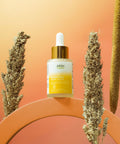
Towel-dried hair with nothing on it dries rough. A light leave-in keeps the cuticle down while it dries. Aloevera Hair Serum is the leave-in in the Arish range; aloe vera is known for its water content and slip. Apply a small amount to damp lengths, comb through, and let the hair dry on its own as far as possible.
Habits that do as much as products
- Lukewarm water, not hot. Hot water lifts the cuticle.
- Squeeze hair in a towel; do not rub. Rubbing roughens the surface.
- Comb wet hair from the ends up with a wide-tooth comb.
- Let hair dry most of the way before any heat, and use the lowest setting that works.
- Space out chemical treatments. Straightening and colouring on the same hair in the same month is the fastest route to breakage.
What about salon treatments?
Keratin and protein treatments at a salon coat or reshape the hair for a few months and can look good, but the hair underneath is the same hair, and the smoothing agents in some of them are harsh. If you have a treatment, the home routine above is what keeps it looking good and what gets the hair through the regrowth afterwards.
When dryness is a sign of something else
Hair that is suddenly dry and breaking, with no change in how you treat it, can go with thyroid problems, iron deficiency, crash dieting or some medicines. If the change was sudden, or comes with hair shedding from the root, ask a doctor rather than buying another mask.
Where to start
The dry and frizzy hair collection has the wash, conditioner, protein pack, oil and serum, with the full ingredient list for each on its page, and the Dry & Damaged Hair Combo puts the shampoo, oil and conditioner in one order. Give the routine eight weeks. Hair you can feel is the hair that has already grown; the new growth is where the change shows.