Dandruff is one of the most searched hair problems in India, and one of the most misunderstood. It is not caused by dry skin alone, it is not a sign of poor hygiene, and it rarely goes away for good after one wash. This guide explains what is happening on the scalp, what the ingredients in an anti-dandruff shampoo are known for, how to use one well, and the signs that mean you should see a dermatologist rather than keep changing shampoos.
What dandruff actually is
Everyone's scalp sheds dead skin cells. With dandruff, the shedding speeds up and the cells clump into visible flakes. The usual drivers are an oily scalp, a yeast that lives on everyone's skin and feeds on that oil, and a scalp that reacts to the by-products. That is why dandruff often gets worse in humid weather, after a few days without washing, or during stressful weeks, and why an oily scalp and a flaky scalp so often go together.
Dry scalp is different. It gives small, powdery flakes and a tight feeling, and it is more common in winter or after very hot showers. The two need different care, so the first thing to notice is whether your scalp feels oily or dry between washes.
What to look for on the label
An anti-dandruff shampoo works through one or two active ingredients plus a cleansing base. These are the ones you will see most often, and what each is known for:
- Piroctone olamine. A widely used anti-dandruff active, chosen for being gentle on the hair shaft and suitable for regular use. It is the active in Arish's Rosemary Anti-Dandruff Shampoo.
- Zinc pyrithione and ketoconazole. Common in pharmacy brands; ketoconazole shampoos are usually a short-course product rather than a daily wash.
- Salicylic acid. Loosens flakes that are already stuck to the scalp, so they rinse away; it does not address the cause on its own.
- Botanicals. Rosemary oil, neem, tulsi, amla and methi are the traditional scalp ingredients in Indian hair care, and they give a shampoo its scent and feel as much as anything else.
Two things matter beyond the active. The shampoo should be pH-balanced, so it does not leave the scalp tight, and it should be something you are willing to use every wash for a few weeks. The best anti-dandruff shampoo is the one you keep using.
How to use it so it works
- Wet the hair fully, then apply the shampoo to the scalp, not the lengths. Dandruff lives at the roots.
- Massage with fingertips for a minute or two. The active needs contact time with the scalp; a quick lather and rinse does little.
- Rinse, then condition the lengths only, keeping conditioner off the scalp.
- Use it at every wash until the flakes settle, then as often as your scalp needs. Many people alternate it with an everyday shampoo once things calm down.
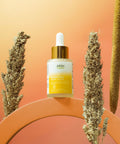
If the scalp still itches between washes, a leave-in helps. Arish's Anti Dandruff Solution is a spray of rosemary, lemon and lavender oils in purified water, used on a towel-dry scalp after washing. It suits a scalp that feels oily at the roots as well as one that flakes.
Men, women, long hair, short hair
Dandruff shampoos are not gendered. The same active works on the same scalp, and nothing on a pack limits it to men or women. What changes is the routine: long hair needs conditioner on the lengths after an anti-dandruff wash so the ends do not dry out, and anyone who oils their hair should apply the oil before washing, massage it in, and shampoo it out rather than leaving oil on a flaky scalp.
Habits that make dandruff worse
- Going four or five days between washes when the scalp is oily.
- Very hot water, which dries the scalp and prompts more oil.
- Heavy styling products or oils left on the scalp for days.
- Rinsing conditioner over the scalp instead of the lengths.
When a shampoo is the wrong tool
Some things look like dandruff and are not. See a dermatologist, not a new shampoo, if you notice any of these:
- Thick, scaly or silvery patches on the scalp, or patches that extend onto the forehead or behind the ears.
- Bleeding, weeping or crusting.
- Hair falling out in patches, or sudden heavy shedding.
- Flakes and itch that have not improved after six weeks of consistent anti-dandruff washing.
Those can be seborrhoeic dermatitis, psoriasis, a fungal infection or something else that needs a prescription. An anti-dandruff shampoo is cosmetic scalp care; it is not a treatment for those conditions.
Where to start
If your scalp is oily and flaky, start with the Rosemary Anti-Dandruff Shampoo at every wash and add the leave-in spray if the itch continues between washes. The anti-dandruff collection has both, with the full ingredient list for each on its page. If your scalp is dry rather than oily, look at the dry and frizzy hair routine instead; a moisturising wash will do more than an anti-dandruff one.