No close match yet.Try a product name, concern or ingredient—or view every result.
1/7
FOR SKIN THAT LOOKS DULL BY THE END OF THE WEEKKaolin clay lifts the surface. Matcha and sandalwood keep it cool. Alpha arbutin and pearl powder bring the even-tone side. Fifteen to twenty minutes, two or three times a week.
MATCHA · RICE WATER · ALPHA ARBUTIN · PEARL · KAOLIN · SANDALWOOD
Matcha Whitening Clay Mask
₹399.00₹456.0012% off
Inclusive of taxes · Coupons applicable
TWICE-A-WEEK CLAY MASK FOR SKIN THAT LOOKS DULL, UNEVEN OR CONGESTED
For dull-looking skin; uneven tone; oily or congested skin; two or three sittings a week
Matcha Whitening Clay Mask is a kaolin clay mask built around matcha green tea and rice seed water, with aloe vera, green tea oil and sandalwood, alpha arbutin and natural pearl powder, in a 75 ml jar printed for youthful glow and radiance. The directions say 15 to 20 minutes, two or three times a week.
75 ML JAR · KAOLIN CLAY · MATCHA AND RICE WATER · 15 TO 20 MINUTES
75 MLScrew-top jar
KAOLINThe clay in the mask
15–20 MINDrying time in the directions
Kaolin and matcha. Two even-tone ingredients.A clay mask built to lift the surface and leave skin looking brighter and feeling soft after the rinse.
FOR SKIN THAT LOOKS DULL, UNEVEN OR CONGESTED BY THE WEEKEND
Twenty minutes, twice a week, for skin that has stopped looking fresh.
Clay does one thing well: as it dries it draws oil and loosened surface debris out of the skin, so the rinse leaves the surface smoother and brighter-looking than the wash alone. Matcha, aloe and sandalwood keep that drying feel cool, and alpha arbutin and pearl powder put the even-tone ingredients into the sitting.
Kaolin is a soft white clay that absorbs oil as it dries, so the rinse takes off what the wash left behind. That is the honest reason skin looks brighter and feels smoother straight after a sitting.
Matcha, aloe vera and sandalwood are the botanicals that keep a drying clay mask from feeling harsh; sandalwood is the traditional cooling paste of Indian face care, and the description says it calms and cools the skin.
Alpha arbutin and natural pearl powder sit on the skin for the fifteen to twenty minutes the directions allow. The description says pearl powder helps lighten the skin tone; this page says the pair is formulated to support a more even-looking tone with consistent use and sunscreen.
Rice seed water is second on the list and glycerine sits with the clay. They are why the skin feels soft rather than stripped once the mask is off.
Titanium dioxide and zinc oxide are the mineral powders that make the mask opaque and pale as it dries. They are listed as pigments here, not as a sunscreen; the jar makes no SPF claim.
A clay mask is a weekly treatment, not a daily step. The directions say two or three times a week; dry or sensitive skin should start with one sitting and a patch test.
ONE MATCHA HERO · ONE CLAY · FOUR BOTANICALS · TWO EVEN-TONE INGREDIENTS
Matcha leads. Kaolin and sandalwood finish the mask.
Matcha tea opens the ingredient list, with rice seed water, aloe vera, green tea oil and sandalwood after it. Kaolin is the clay; titanium dioxide and zinc oxide are the mineral pigments that give the mask its pale, opaque finish. Natural pearl powder and alpha arbutin come near the end. Open each card for what the ingredient is known for, without pretending that an ingredient and a measured result on this jar are the same thing.
Ma
Hero ingredient
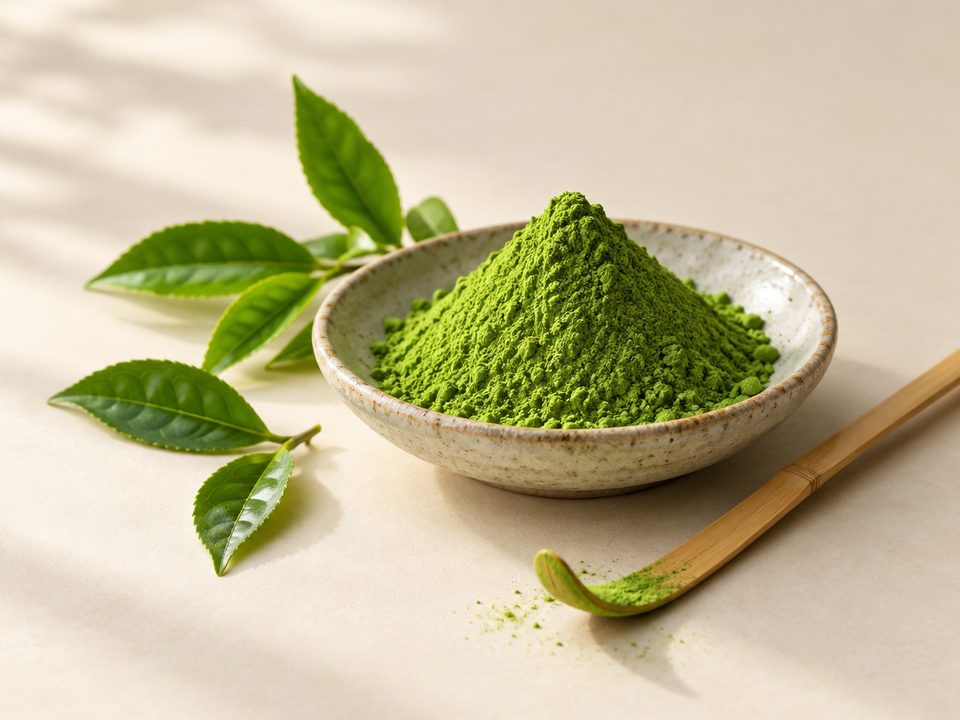
Matcha Tea
Camellia sinensis · stone-ground leaf
Catechins (EGCG) · chlorophyll · L-theanine
Ingredient science+
Matcha is shade-grown green tea ground whole to a fine powder, so the leaf's catechins, chlorophyll and amino acids all go into the formula. In skincare it is known as an antioxidant and soothing botanical. First on this jar's ingredient list. This card describes the ingredient, not a measured result on this jar.
Rw
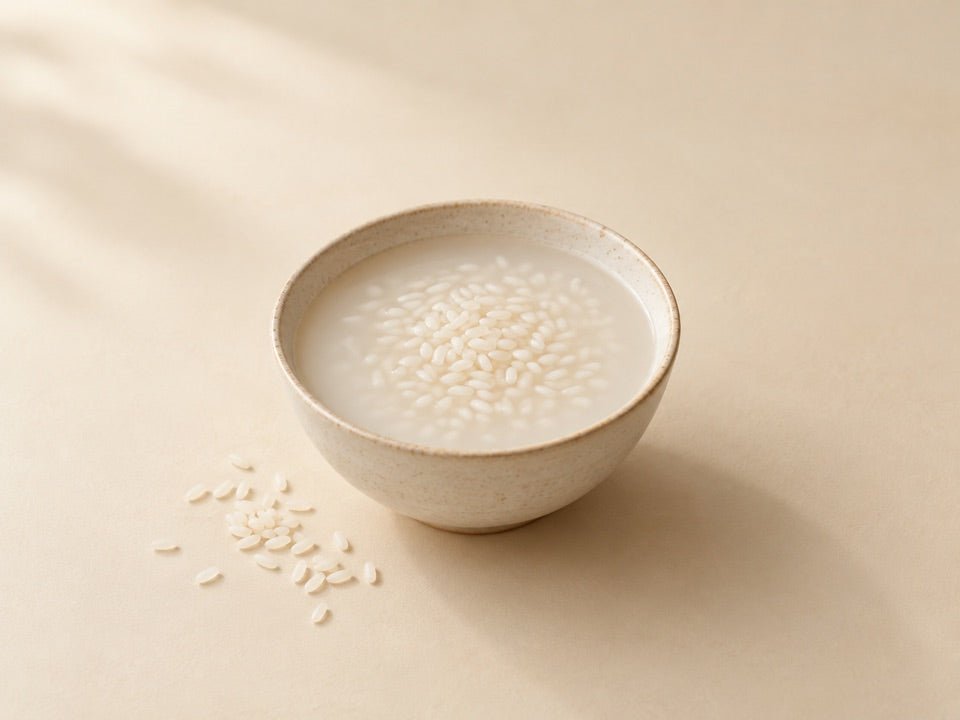
Rice Seed Water
Oryza sativa · seed water
Starch · amino acids · inositol
Ingredient science+
Rice water is the traditional East Asian softening rinse, the water left after soaking or boiling rice. It is known for a soft, smoothed feel and keeps a clay mask from rinsing off tight. Second on the list, and in the product name.
Aa
Alpha Arbutin
4-hydroxyphenyl α-D-glucopyranoside
Hydroquinone glucoside
Ingredient science+
Alpha arbutin is a glucoside of hydroquinone found in bearberry, known in skincare for a gentle brightening character and used for the look of dark spots. In a mask it is on the skin for the sitting; it works slowly and needs daytime SPF to show its best.
Pe
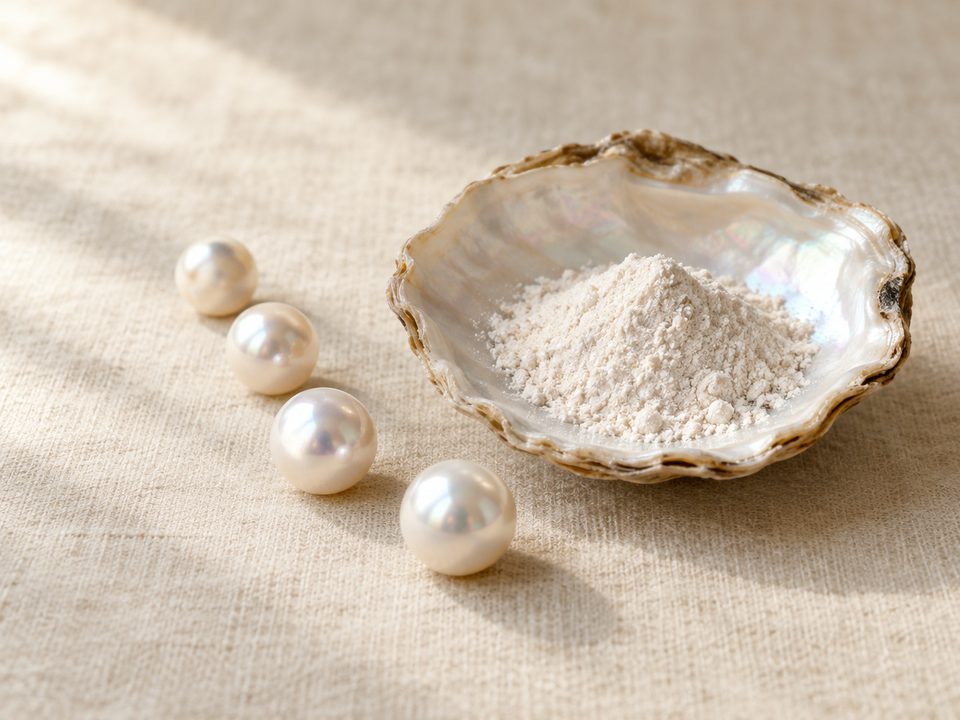
Natural Pearl Powder
Pearl powder · extract
Calcium carbonate · conchiolin
Ingredient science+
Pearl powder is a traditional East Asian beauty ingredient, prized for a luminous, even-looking finish. This card describes the ingredient, not a measured result on this jar.
Ka
Kaolin
China clay · hydrated aluminium silicate
Al2Si2O5(OH)4
Ingredient science+
Kaolin is the mildest of the cosmetic clays, a soft white mineral known for absorbing oil as it dries without the pull of stronger clays. It is the body of this mask and the reason it works on the surface.
Sa
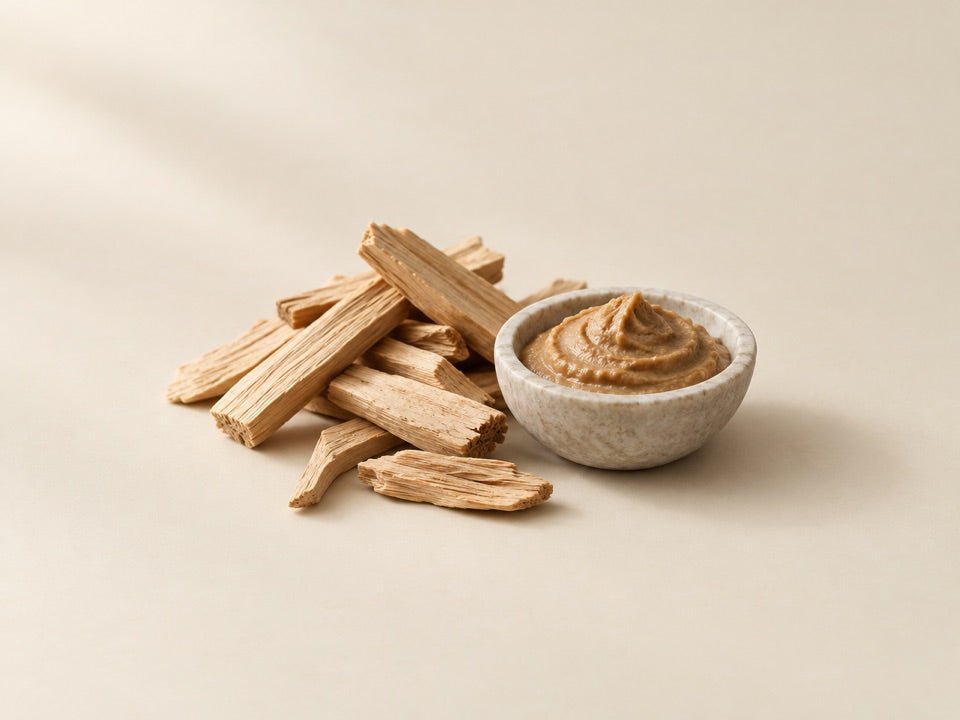
Sandalwood
Santalum album · extract
Santalols · sesquiterpenes
Ingredient science+
Sandalwood is the traditional cooling paste of Indian face care, known for a calming scent and a soft, smooth finish on the skin. The description says it calms and cools; this card describes the ingredient, not a measured result.
WHAT A CLAY MASK CAN AND CANNOT DO
The surface brightens. Deeper pigment takes its time.
A clay mask works on the surface. As kaolin dries it pulls oil and loosened debris with it, and the rinse takes off what the wash left behind. That is why skin looks brighter straight after: it is cleaner and smoother, not lighter. The name says whitening; no product changes your natural colour, and this page does not claim it.
The even-tone ingredients are in the jar for the sitting, not for a miracle. Alpha arbutin and pearl powder sit on the skin for fifteen to twenty minutes, two or three times a week. What they are known for is a more even-looking tone over weeks of consistent use with daytime sunscreen; the matcha serum in the same range is where they stay on the skin every day.
01 HERO
Matcha tea leads the formulaRice seed water, aloe vera, green tea oil and sandalwood in support
75 ML
Screw-top jarAn even layer covers the face and neck
15–20 MIN
Drying timeThen remove with a soft, wet towel, as the directions say
2–3× WEEK
Frequency in the directionsWear sunscreen in between
THE TWENTY-MINUTE SITTING
Cleanse. Apply. Dry. Rinse with a soft, wet towel.
The directions say an even layer on a cleansed face and neck, away from the eye area, left for 15 to 20 minutes or until it dries completely, then gently removed with a soft, wet towel, two or three times a week. Patch test before first use.
01
Cleanse and pat dry
Start with a cleansed face, free of oil and impurities, and pat it dry before the mask goes on.
02
Apply an even layer
Spread the clay mask evenly over face and neck, avoiding the eye area.
03
Dry, then remove
Leave it for 15 to 20 minutes or until it dries completely. Gently remove with a soft, wet towel, pat dry and follow with the matcha serum. Two or three times a week.
Marketplace signal
New in the range
WHAT TO LOOK FOR WITH REGULAR USE
The result should show in how skin feels after the rinse.
No before-and-after photographs are shown for Matcha Whitening Clay Mask, because none have been taken under matched conditions. The meaningful signals for a clay mask are a surface that feels smoother and less oily straight after the rinse, skin that looks fresher that evening and, over weeks of regular sittings with sunscreen, a tone that looks a little more even. Published reviews will appear here as customers post them.
BUILD THE WEEK AROUND THE MASK
Wash. Mask. Serum. Protect by day.
Cleanse with the matcha face wash before the mask, follow the rinse with the matcha serum and gel, and keep a daytime SPF in the routine between sittings.
No product changes your natural skin colour, and this page does not claim it. The name follows the usual Indian naming for brightening ranges. A clay mask leaves skin cleaner and smoother straight after the rinse, and alpha arbutin and pearl powder are formulated to support a more even-looking tone with regular sittings and daytime sunscreen.
The directions say two or three times a week. Dry or sensitive skin should start with one sitting a week and a patch test.
The directions say 15 to 20 minutes or until it dries completely. If your skin is dry, rinse at the tight-but-not-cracked stage; a clay mask has done its work once it has set.
Kaolin is the mildest cosmetic clay and the botanicals are cooling ones, but the formula also contains alpha arbutin and a green colourant. Patch test on the inner forearm and wait 24 hours before the first full sitting. For external use only.
The directions name the face and neck. The same sitting works on arms, though a 75 ml jar goes further on the face alone.
No. Titanium dioxide and zinc oxide are listed as the mineral pigments that give the mask its pale finish; the jar makes no sunscreen claim. Wear a separate SPF by day.
One last look
Ready for twenty minutes against the week's dullness?
Clean, dry skin. An even layer. Twenty quiet minutes, two or three times a week. A matcha clay mask for skin that has stopped looking fresh.